The Pre-School Curriculum
In the Pre-School, we aim to develop your child's social, physical, communicative and intellectual skills through a wide range of carefully planned activities and experiences. We encourage all the children to become confident, independent learners whilst developing their curiosity and imagination and making them proud of themselves and their achievements. Most important of all is that the children enjoy learning through play.
The 'Foundation Stage', which includes children in the Pre-School and Reception classes, has a curriculum made up of seven areas of learning.
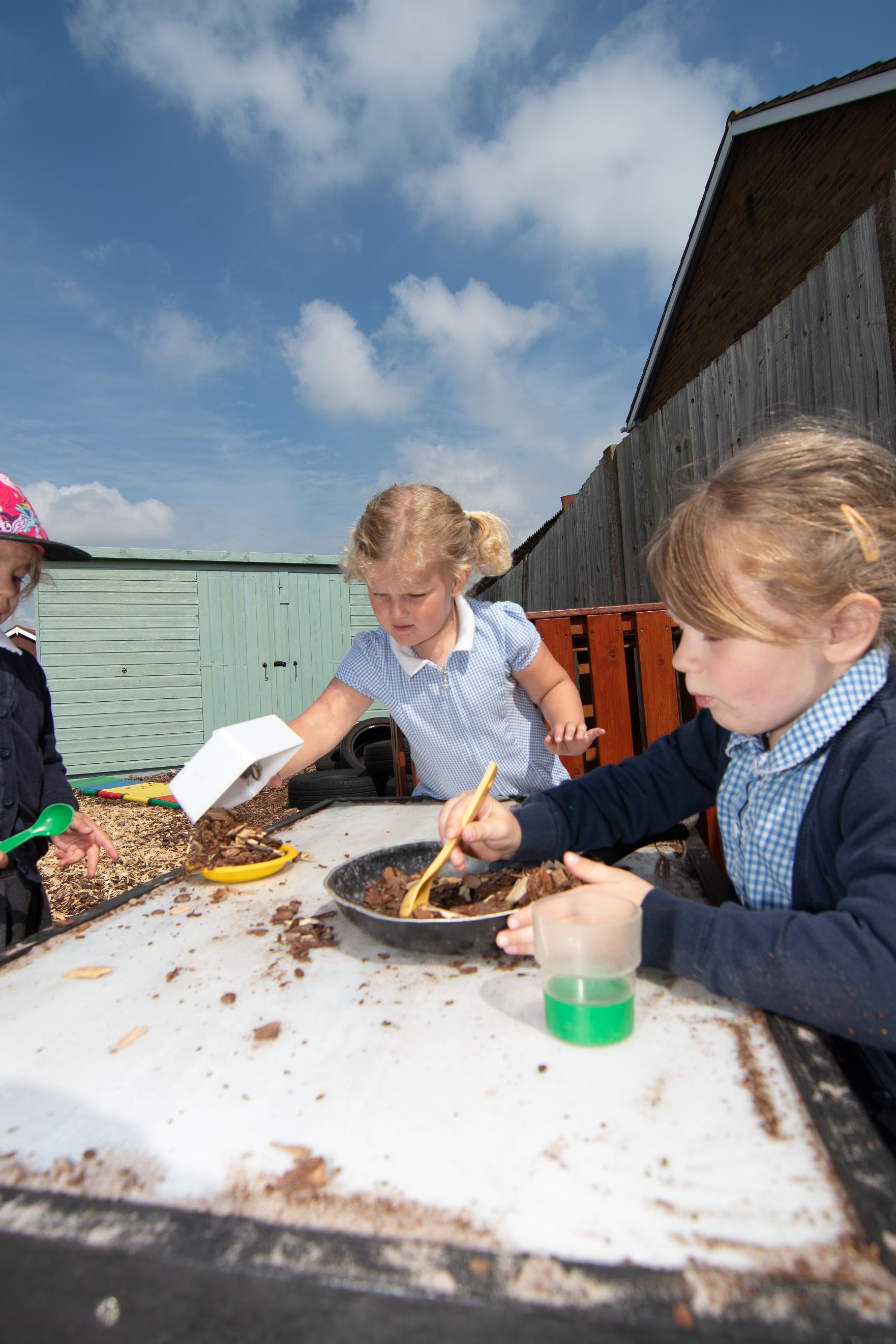
Personal, Social and Emotional Development
In this area, children are encouraged to plan their own activities, to gain confidence and to become increasingly aware of the needs and feelings of other children. They are encouraged to take turns, to share and to form relationships with other children.
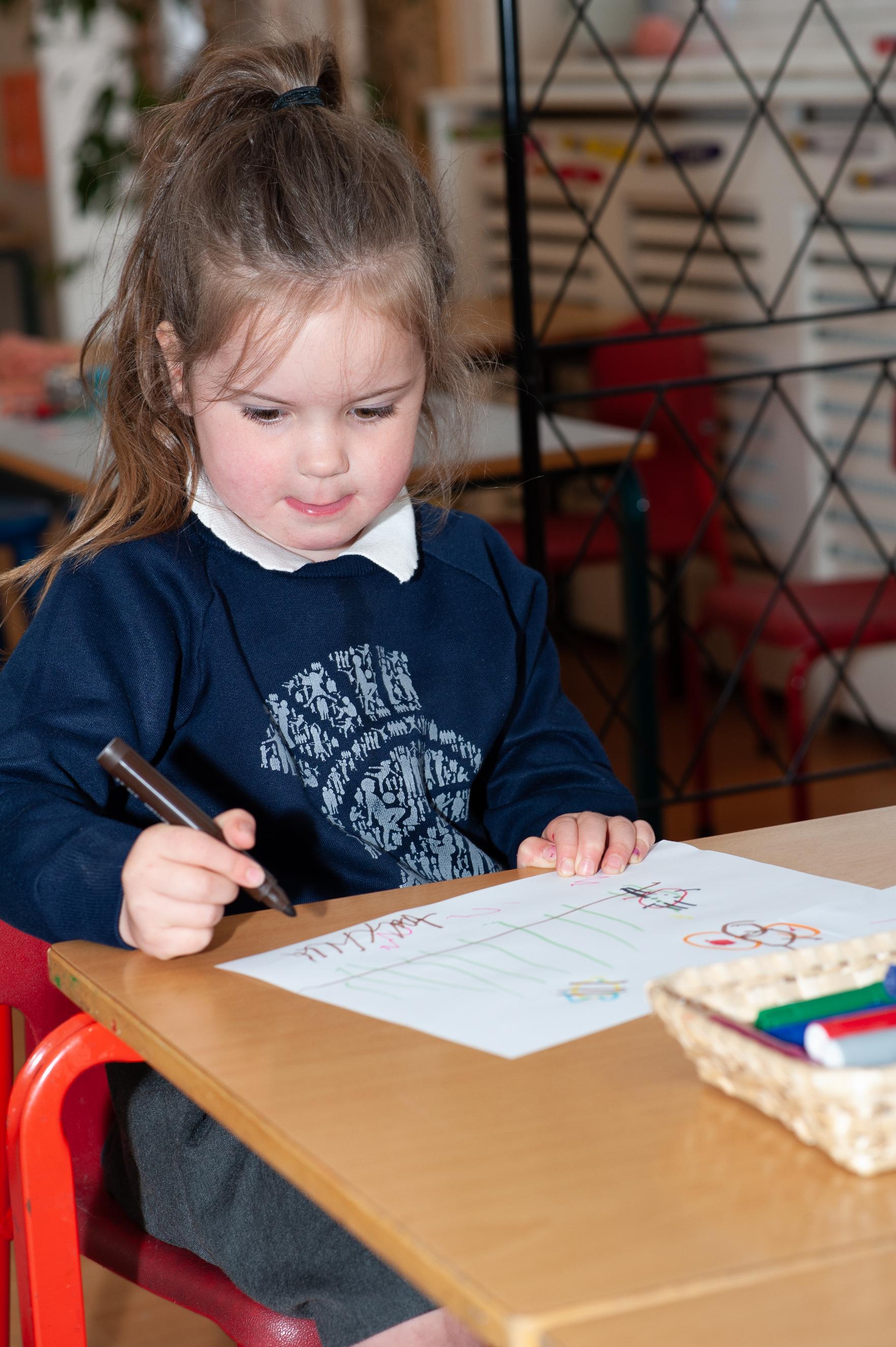
Literacy
Children are given opportunities to share and enjoy rhymes, music, songs, poetry, stories and non-fiction books. They will experiment with writing and begin to form recognisable letters, initially those in their own name.
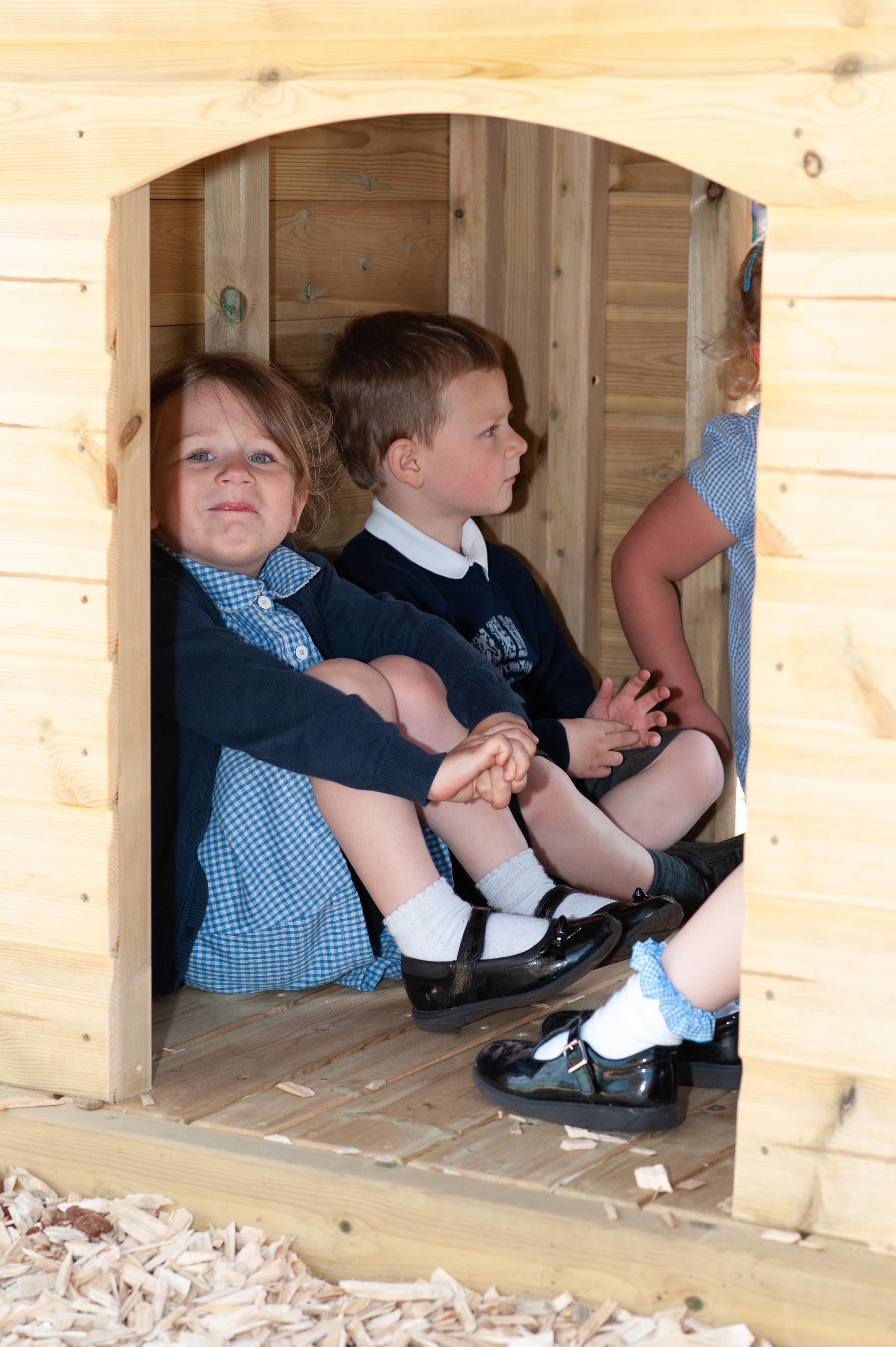
Communication & Language
Children are encouraged to take part in conversations and to listen whilst others are talking. Language activities in the Pre-School include reading and writing areas and a role-play area where children can act out stories and practise their writing skills, for example by making lists.
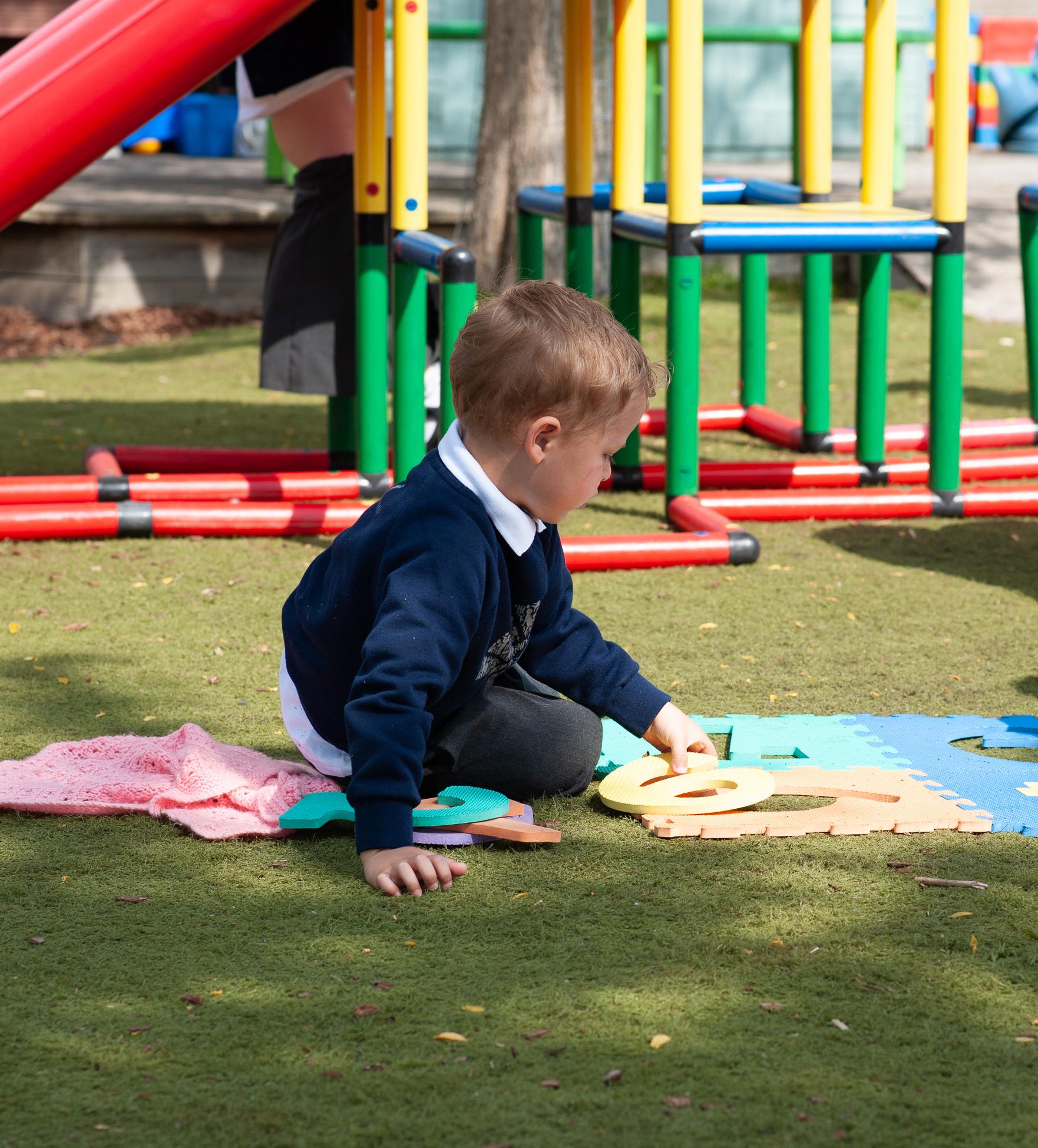
Maths
Children's mathematical understanding is developed through stories, songs, games and imaginative play, so that children enjoy using and experimenting with numbers. Mathematical activities in the Pre-School include sorting, counting, matching, playing with money, weighing objects on scales, making patterns and constructing with shapes.
Understanding The World
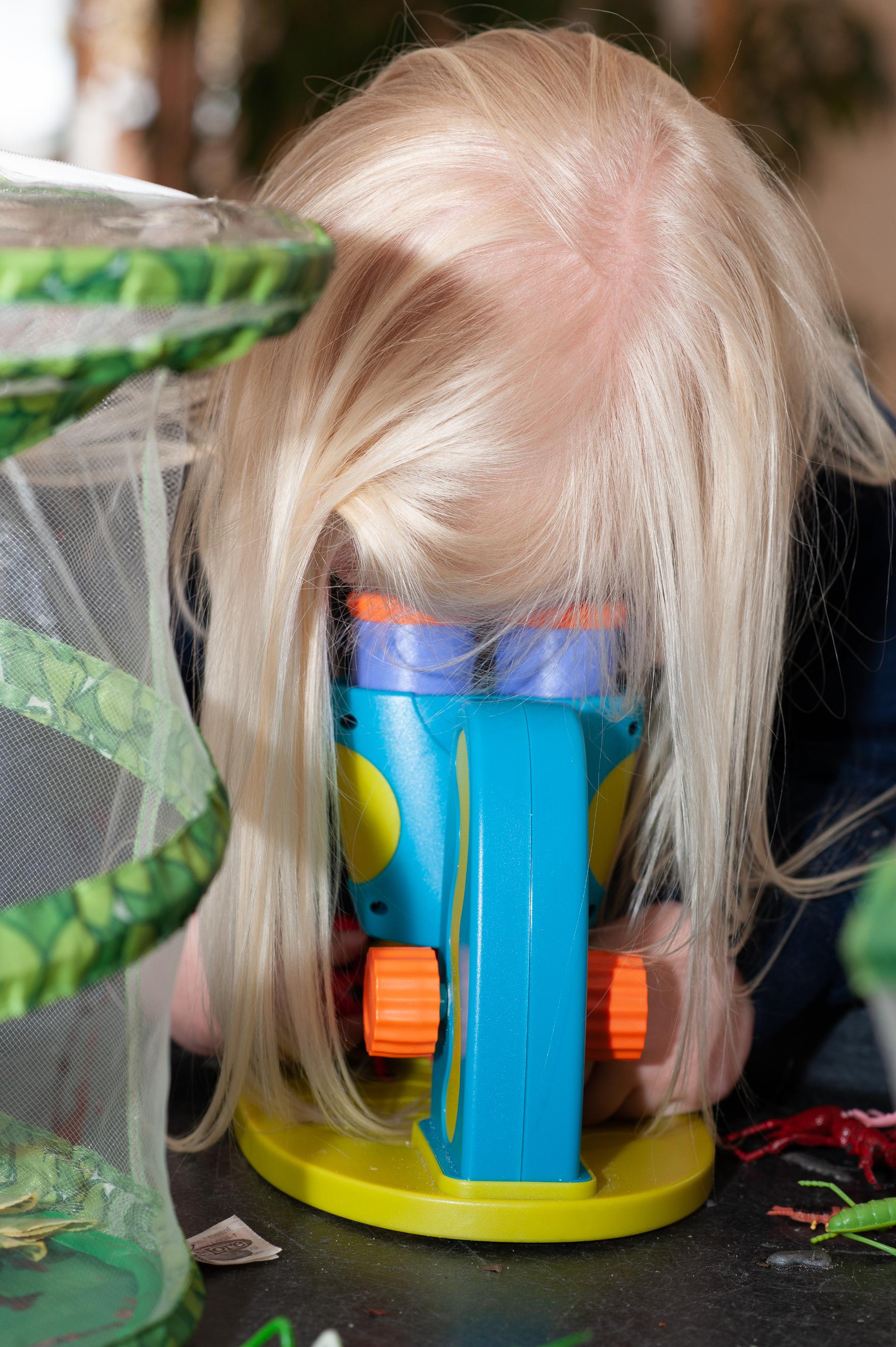
In this area, children are developing the knowledge, skills and understanding that help them make sense of the world. Activities are based on first-hand experiences that encourage exploration, observation, problem-solving, prediction, decision making and discussion. Children have opportunities to use a range of tools, for example computers, iPads, tools and scissors. Activities they undertake include cooking, gardening, observing the natural world closely using magnifiers and examining artefacts such as old toys to gain an understanding of the past.
Physical Development
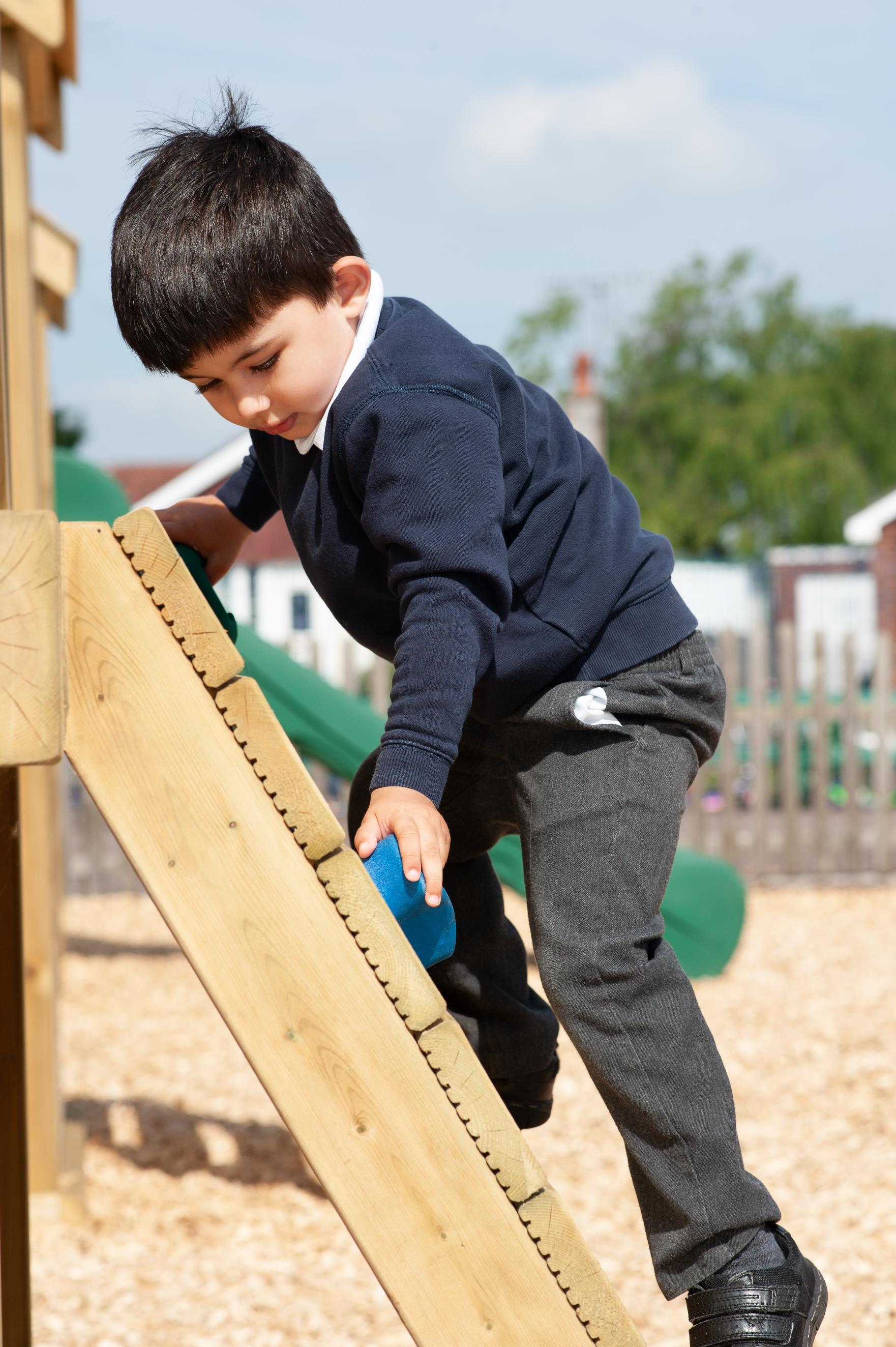
In the foundation stage, physical development is about improving the skills of co-ordination, control, manipulation and movement. Activities the children will participate in include pedalling wheeled toys, climbing under, over and through large apparatus and opportunities to swing and balance in the outside classroom as well as using scissors and glue in the creative area.
Expressive Arts and Design
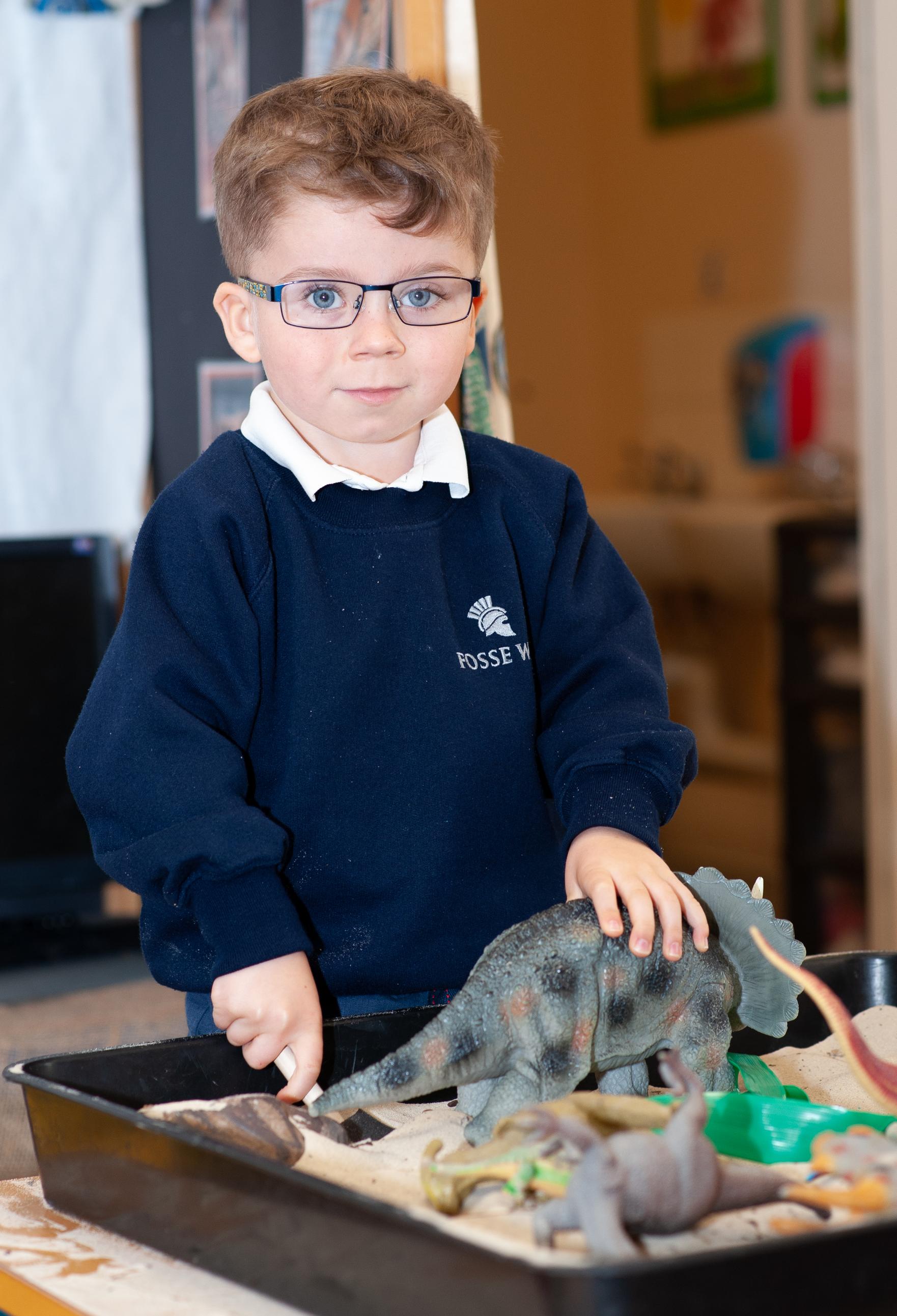
This area of learning includes art, music, dance, role-play and imaginative play. Children join in a range of activities that encourage them to express themselves with all of their senses. For example, children will explore the sounds which different musical instruments make, mix their own paint, describe the colours they have made and participate in role-play with other children - acting out a favourite story.
Special Educational Needs
Children learn and progress at different rates. We fully understand this and work hard to promote positive attitudes with all children in the Pre-School. If we feel that your child is experiencing difficulty or has a special need, we will speak with you and the school's Special Needs Co-ordinator, to plan how best to support them.
In some cases it may be necessary to refer a child to a specialist support agency, such as the Speech and Language Therapy Service. If we think this is necessary we will discuss this with you before any action is taken.
If you have any concerns about your child, please share them with us so that together we can best support them.

Records of Progress
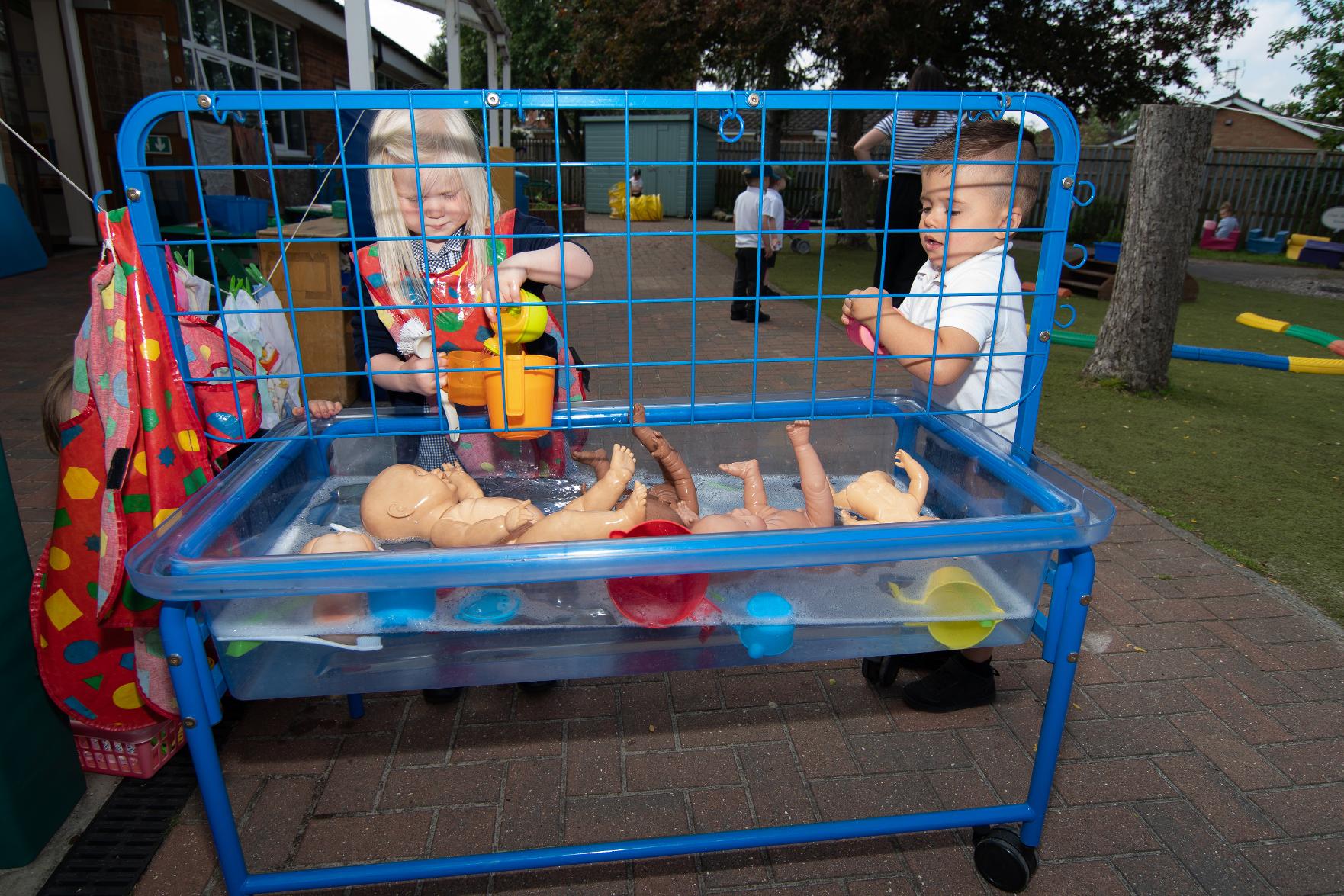
When your child joins our Pre-School, the staff will take photographs and keep regular records of their achievements. These will be shared electronically with parents using an app called ‘Tapestry’. In addition, a paper-based Learning Journal will be collated, including items such as drawings and paintings. You will be able to take your child’s Learning Journal home at the end of the year.
Increasingly, we are taking photos and filming the children to keep a valuable record of everything they do. These pictures may be used in school displays, on our school website, blogs, Twitter (@Fossewayacademy) or Instagram (fossewayacademy) accounts. We hope you will enjoy seeing these, but of course, if you would rather your child did not appear on the above media, please let us know, via the ParentMail permissions form.
 |
Fosse Way Academy Socials |
 |
Fosse Way Academy Socials |